

Health and Wellness
Spaces actively supporting health, comfort, and well-being.
Drawing on principles from neuroscience, biophilia, and trauma-informed design, Bond excels in creating schools, libraries, and community spaces where everyone feels welcome.
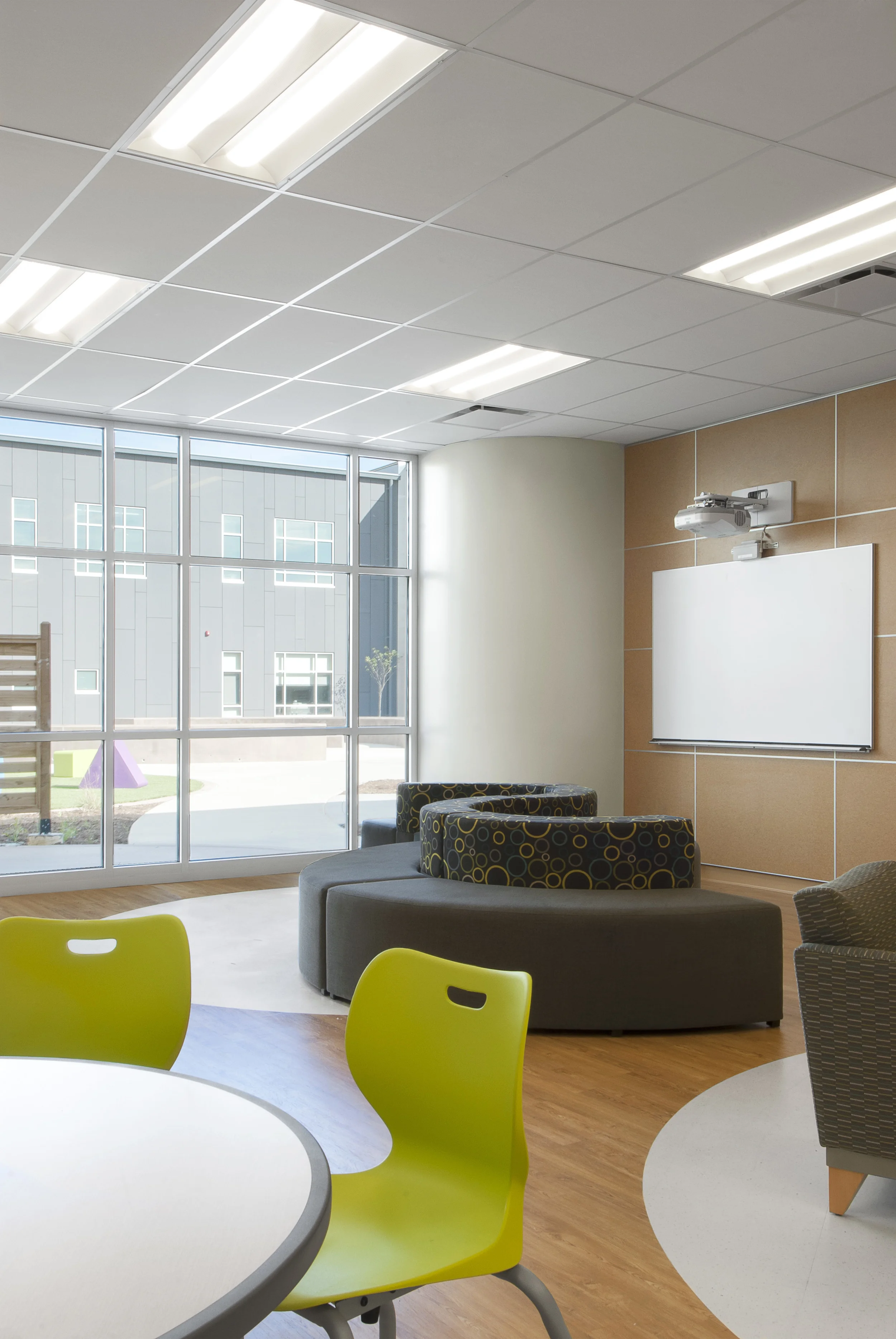
We recognize that every individual interacts with a space differently based on their unique needs, personality, culture, and state of mind.
By moving beyond standard architectural requirements, our team creates supportive environments that foster a sense of belonging, encourage communication, and empower people to thrive each day.
Spaces with pleasing proportions, coherent organization, access to natural light and materials, and thoughtful sensory detail can measurably improve mood, reduce stress, and support overall well-being.
When people are able to navigate a space on their own terms, they feel more at ease, more engaged, and more capable of doing their best work.



Frequently asked questions about designing for health and well-being.
-
At Bond Architects, we believe great design should do more than meet a program. It should help people thrive. Every day, the spaces we inhabit influence our mood, stress levels, sense of belonging, and ability to connect with others. That's why we design schools, libraries, workplaces, and community spaces that support health, comfort, and potential.
-
We combine the latest research with decades of real-world experience serving educational, civic, and community clients. Our team draws on neuroscience, biophilic design, and trauma-informed design to create environments that are both welcoming and functional. Just as importantly, we listen. We start by understanding how people want to work, learn, gather, and grow, then design spaces around those needs.
-
Trauma-informed design recognizes that the built environment affects mood, behavior, and well-being. By applying insights from psychology, sociology, and neuroscience, designers can create spaces that feel safe, calming, inclusive, and respectful of each person's identity and experiences. Bond has become a regional leader in applying these principles to schools, civic spaces, and workplaces.
-
Because choice is empowering.
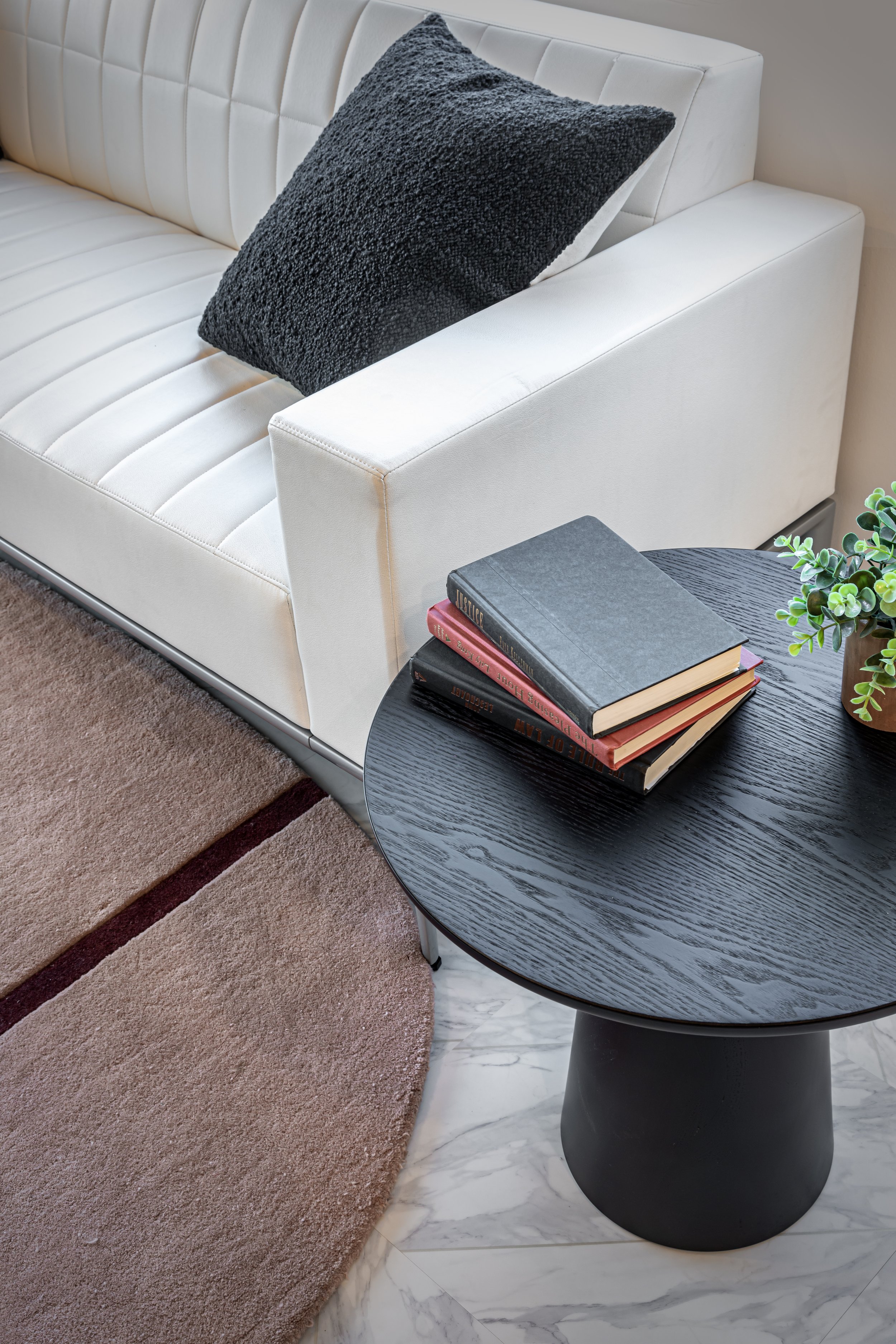
One of the most effective ways to support wellness is to give people control over their environment. Some people need quiet focus. Others thrive in active, social settings. Most of us need different things at different times. Bond creates environments with diverse seating options, flexible furnishings, varied work settings, and different levels of privacy and activity so users can choose what works best for them.
-
The people who use a space every day are its experts. Bond's process is built around listening, collaboration, and stakeholder engagement. Through workshops, surveys, interviews, and participatory design exercises, we gather insights that help shape environments that genuinely reflect the needs and aspirations of a community.
-
Not at all. While trauma-informed strategies can be especially impactful for vulnerable populations, the principles behind them improve the experience of a space for everyone. More choice, better comfort, access to nature, stronger community connections, and reduced stress create healthier environments regardless of age, background, or circumstance.
-
Our goal is simple: to create places where people feel welcome, supported, and inspired to do their best work, learning, and connecting. Whether we're designing a school, a community center, or a workplace, we believe great design helps people thrive.
Health and Wellness Case Studies
-
![]()
School District of Clayton
Both the High School Library and Wellness Center designed for the District incorporate trauma-informed design principles and opportunities for choice.
-
![]()
MBI Office and Showroom
Resimmerical design and opportunities for choice create a comfortable, welcoming space for employees and clients.
-
![]()
University City Public Library
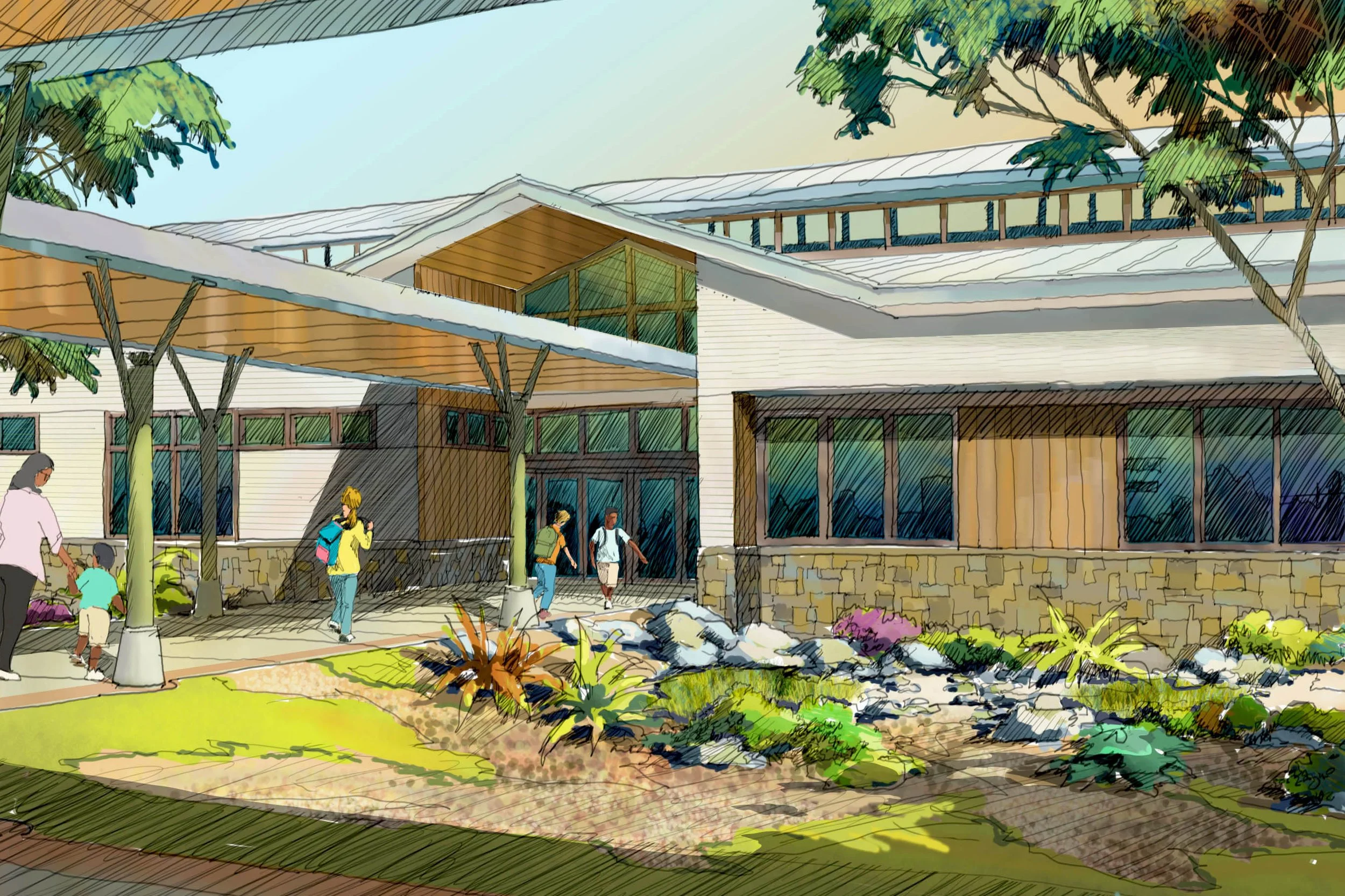
Connections to the surrounding community and opportunities for choice were key elements of this library renovation.



How can I use the built environment to improve health and wellness in my organization?
We’re here to help.
Reach out to start the conversation.