

Designing with care.
We use trauma-informed design to create safer, more supportive spaces.
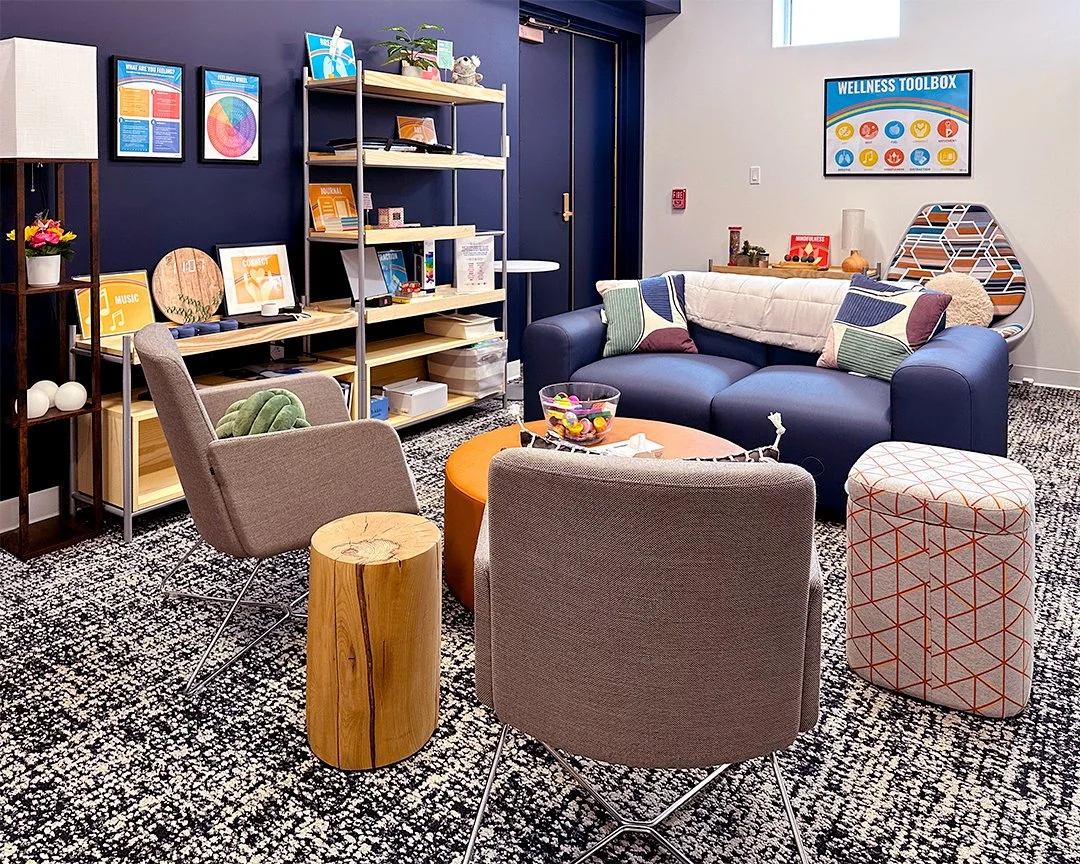
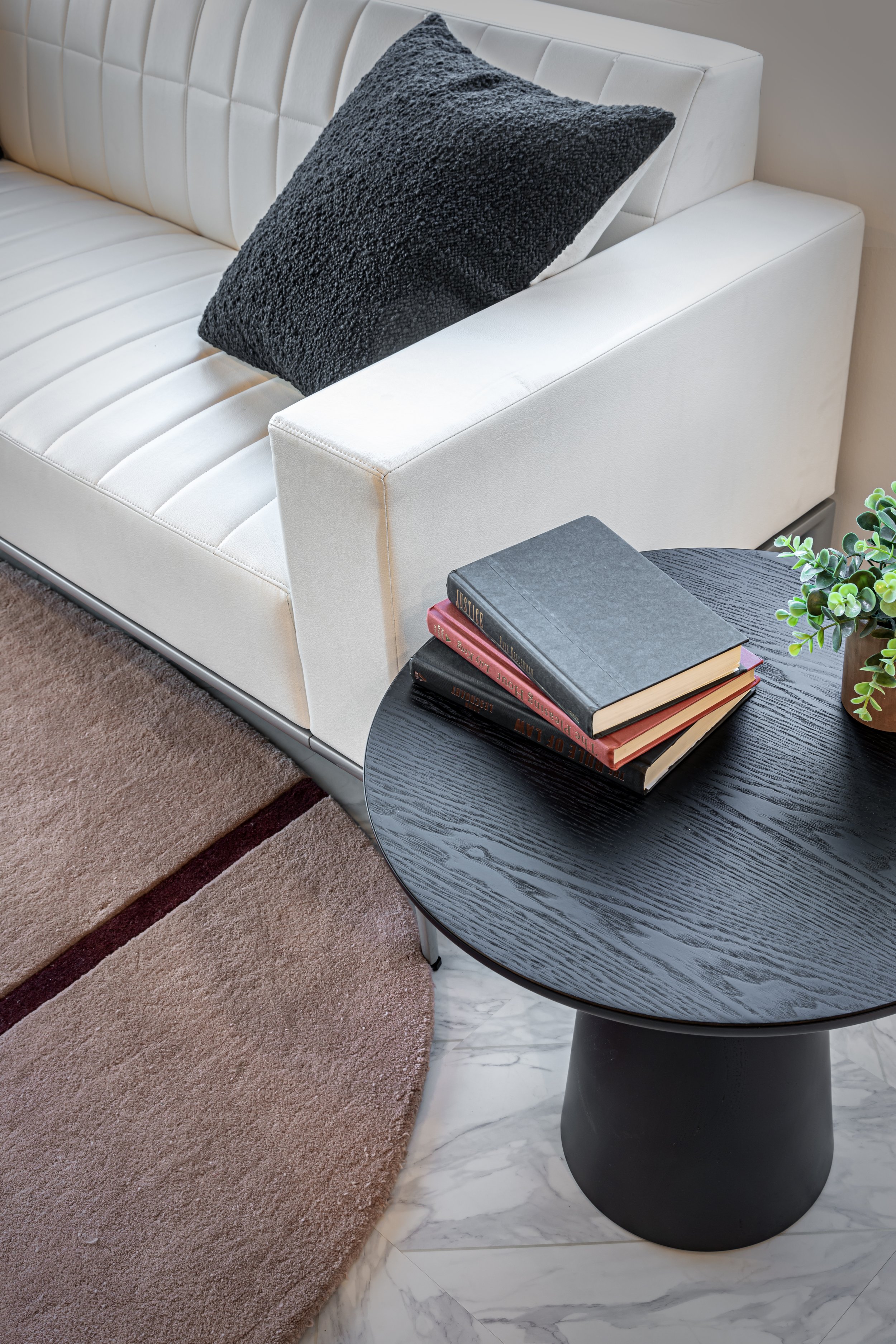
Trauma-informed design (TiD) recognizes the impact of the built environment on mood and behavior.
This approach integrates insights from neuroscience, sociology, and cultural awareness to create spaces that feel safe, calming, and inclusive.
-
Improves focus.
Builds sense of community and belonging.
Encourages collaboration and communication.
Reduces environmental stressors.
Offers tools for self-soothing and emotional regulation.
Supports diverse styles of teaching, learning, and working.
Trauma-informed design in action at Clayton High School Library

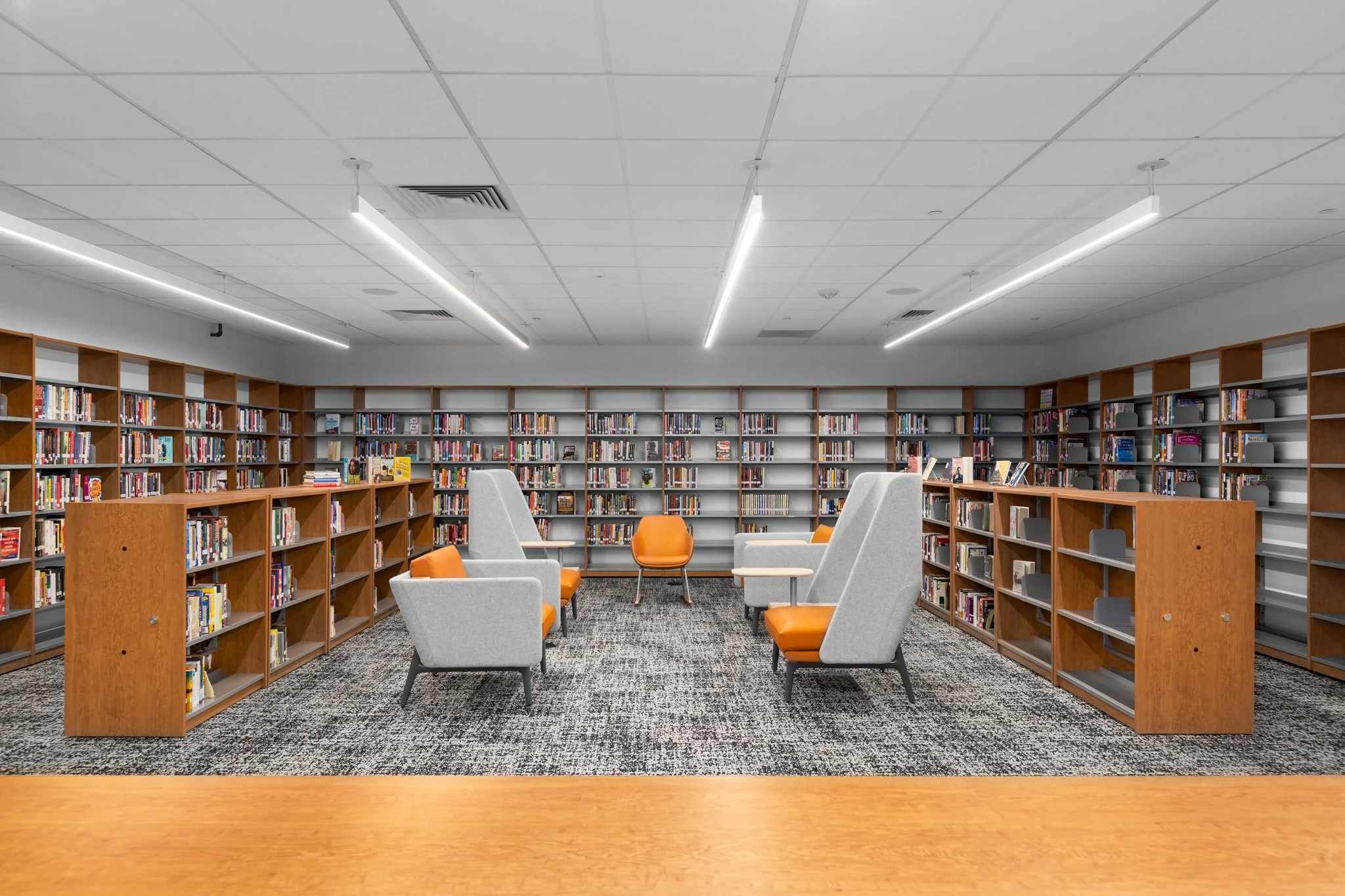

By using trauma-informed design principles, this space empowers students and teachers.
Our latest trauma-informed design news and research



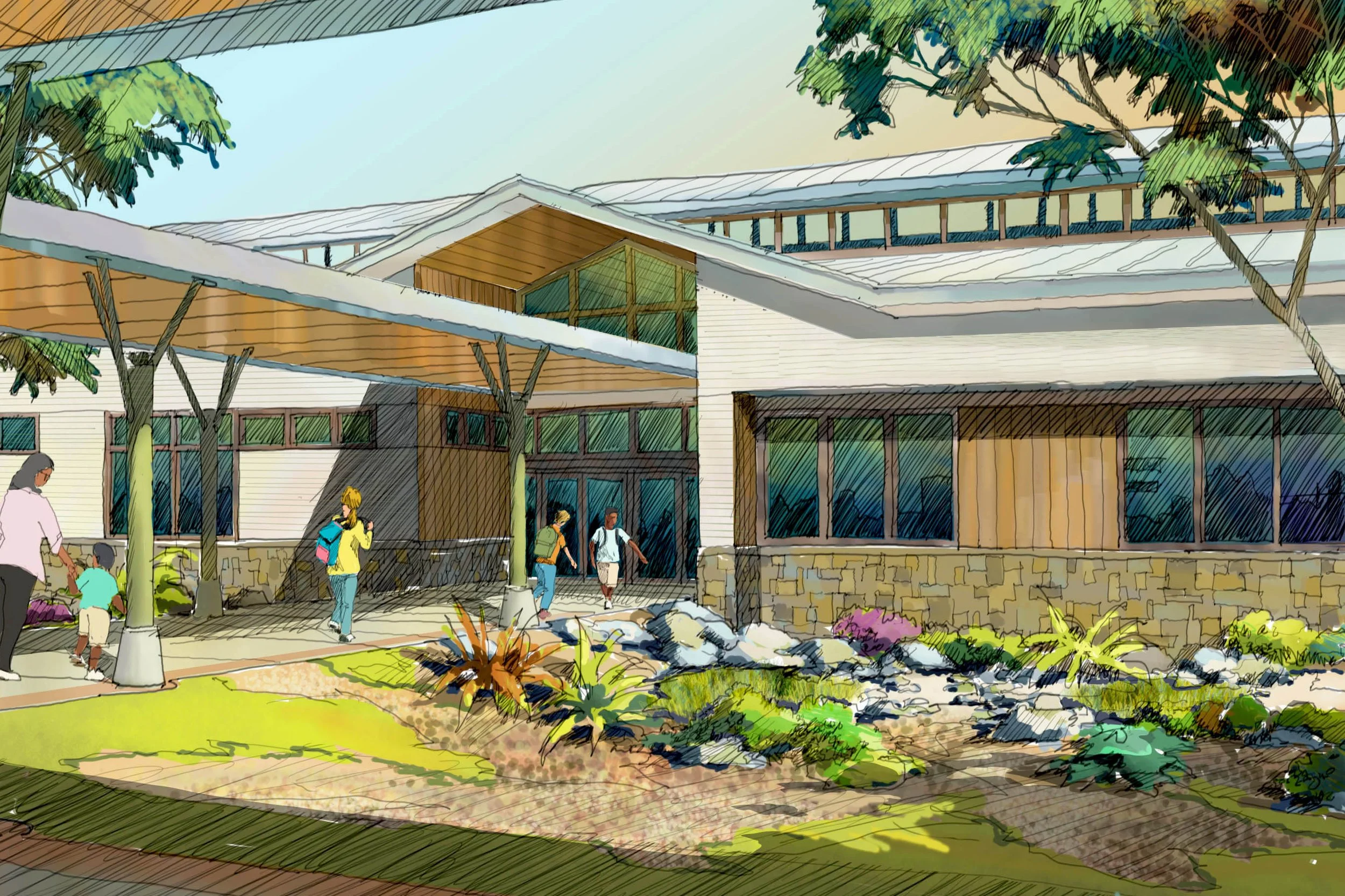
Interested in how trauma-informed design can improve health and wellness in your organization?
We’re here to help.
Reach out to start the conversation.